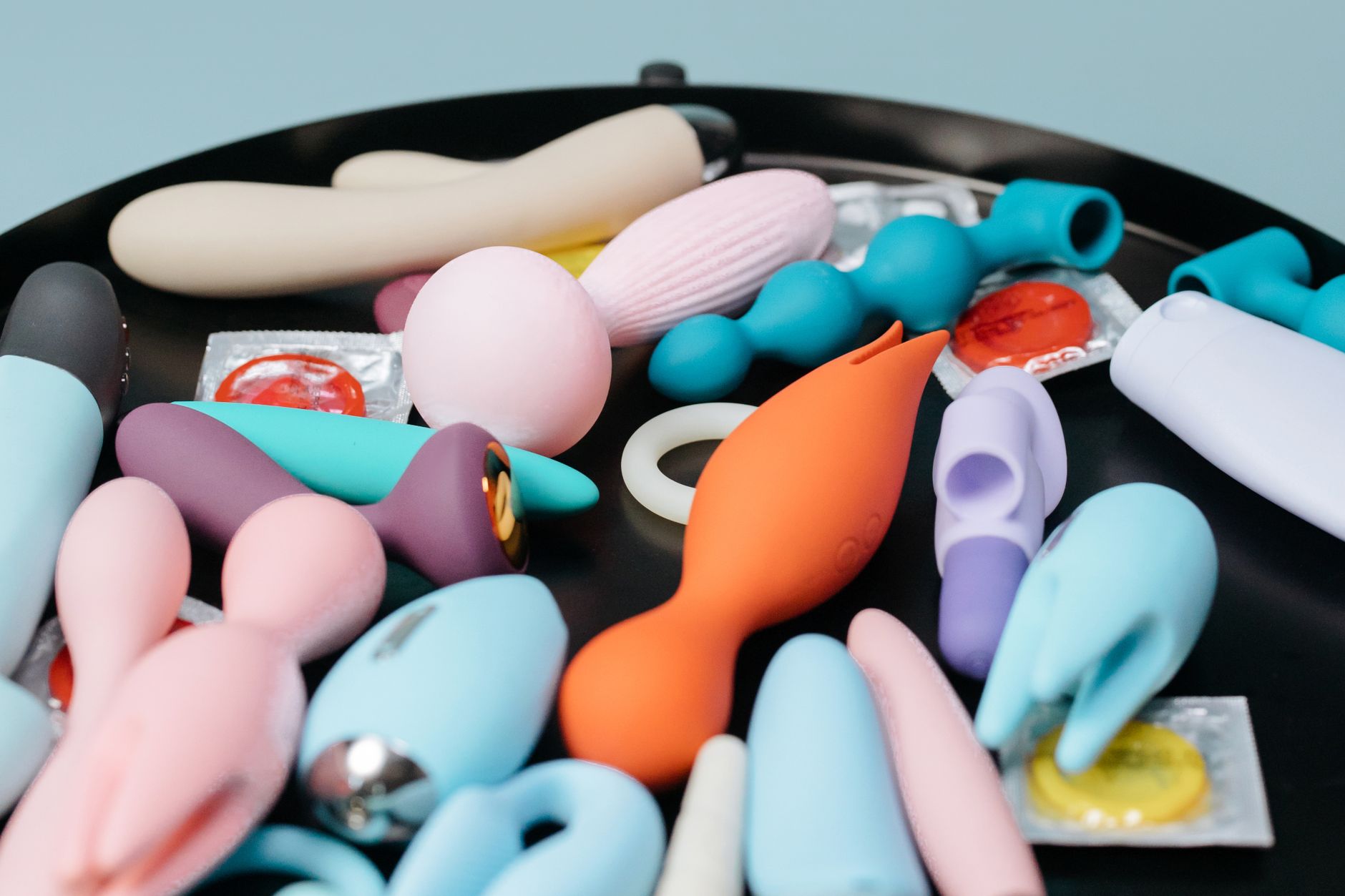
Let's talk about what infidelity actually does to desire
Infidelity doesn't just break trust. It breaks the body's ability to relax into pleasure. When your partner betrays you, the nervous system goes into high alert. Safety evaporates. Your body learns that vulnerability leads to harm. Sex becomes impossible, not because you don't love them, but because your skin remembers the betrayal before your mind even engages.
I've worked with dozens of couples trying to rebuild after infidelity, and almost all of them say the same thing: they want to reconnect, but their body won't cooperate. The switch that used to flip for pleasure is stuck in the off position.
Here's what I've found works. It's not therapy (though you need that too). It's a slow, deliberate process of rebuilding safety through sensation, where pleasure becomes an act of choosing each other again, over and over.
Why pleasure matters after betrayal
When infidelity happens, couples often assume they need to talk more, apologize more, analyze more. And yes, that's necessary. But talking alone doesn't reprogram the nervous system. Your body doesn't heal from betrayal through dialogue. It heals through safety, touch, and yes, pleasure.
Here's the counterintuitive part: introducing pleasure into a post-infidelity relationship isn't about recovering what you lost. It's about building something completely new. Something that belongs only to both of you now, not to the versions of yourselves from before.
When couples use a clitoral vibrator together after infidelity, they're not trying to recreate the old dynamic. They're creating a shared experience of vulnerability and attention that says: "I see you. I'm present. I choose this. I choose you."
Starting with trust before adding pleasure
Before you even think about using a lemon vibrator or any other tool, the foundation work has to happen. I recommend three weeks of what I call "intentional touch without expectation." That means holding hands. Kissing. Massage. Nothing goal-oriented. Nothing that ends in sex. Just sustained, attentive contact.
This matters because after infidelity, the partner who was betrayed often has a hair-trigger response. One moment of distraction or hesitation and they spiral. The partner who strayed is often terrified, checking their actions constantly. Neither person can relax. Touch feels like a test instead of a connection.
The three-week rule lets the nervous system calm down. Your body learns that touch from this person doesn't lead to harm right now. It leads to presence. That's the foundation you need before introducing pleasure devices.
When you're ready to use a lemon vibrator together
Start small. I typically recommend starting with the person who was betrayed exploring on their own first, while the partner is present but not in control. This matters because control and safety are intertwined after infidelity. You need to feel like you're driving the experience, not being persuaded into it.
Here's how I usually guide couples through this. The person with the vulva lies down, fully clothed or partially, in whatever feels safest. The lemon vibrator stays in the drawer. The partner sits nearby, maybe holding their hand. The only instruction is presence. No performance. No orgasm goal. Just "I'm here."
Second session. The vibrator comes out. Still clothed. The partner holds it, but the person exploring controls the pace and intensity. They guide the hand holding the device. This is crucial. It's not about pleasure yet. It's about reestablishing the experience of being heard and respected in real time.
Third session and beyond. Clothes come off if it feels right. But the control remains with the person who was betrayed. They're directing. They're teaching their partner what feels good now, in this new version of your relationship.
The clitoral vibrator as a communication tool
One thing I've noticed with couples using a lemon clitoral vibrator together after infidelity is that it becomes a language for something that's hard to say out loud. When you're guiding your partner's hand, when you're showing them what intensity you want, when you're saying "lower, slower, right there," you're practicing something essential. You're practicing being heard.
Many couples who've survived infidelity struggle with basic communication about desire because desire feels dangerous. Asking for what you want means admitting you have needs. It means the other person could ignore you. The vibrator removes some of that emotional charge. It's easier to guide a hand than to say "I want to feel close to you again."
But that's what you're actually practicing. Each time you adjust the intensity or the angle, you're saying it. And each time your partner listens and adjusts, they're saying "your pleasure matters to me. Your safety matters to me."
Practical tips for real couples rebuilding together
Use water-based lubricant every single time. Lovemaking after infidelity is often tense, and tension means less natural lubrication. The lube isn't a failure. It's a tool that removes one source of discomfort so you can focus on rebuilding.
Start with lower intensity settings. Many people reach for maximum intensity because they think that's what pleasure is supposed to feel like. After infidelity, slower is better. You want to feel sensation, not overwhelm. You want to notice your partner's attention.
Take breaks. Don't push toward orgasm. This isn't about climax. It's about sustained attention and presence. If you feel yourself getting tense or your mind wandering to the infidelity, pause. Check in. The goal is to stay present, not to reach some endpoint.
Communicate constantly, even if it feels awkward. "That feels good." "Can you go slower?" "I need a minute." This is the actual work. The vibrator is just the vehicle for practicing it.
When one partner is reluctant
Often one partner is ready to move forward with pleasure and the other isn't. Usually it's the person who was betrayed who's slower, but sometimes it's the opposite. That's completely normal.
My recommendation: don't force it. Let the reluctant partner set the pace entirely. If they're not ready to explore pleasure with their partner, that's information. It means you need more time on trust building, more conversations about the infidelity, possibly more couples therapy. Using a lemon vibrator when someone isn't ready will only deepen the wound.
When reluctance is the issue, sometimes the best move is to explore separately first. The reluctant partner can use a vibrator alone, at their own pace, to remember that their body is capable of pleasure independent of the relationship. That matters. After infidelity, many people need to know that their pleasure doesn't require their partner's validation.
The role of professional support
Let me be direct: a vibrator is not a replacement for therapy. If you and your partner are rebuilding after infidelity, you need a couples therapist trained in trauma and betrayal, preferably someone familiar with the Gottman Method. A vibrator is a tool that works alongside that therapy, not instead of it.
A good therapist will help you understand why the infidelity happened, rebuild trust, and establish boundaries and accountability. The vibrator helps you practice vulnerability and presence in a new, safer way.
Think of it like physical therapy after an injury. The therapist is your guide, the exercises are your daily work, and the clitoral vibrator is one of the tools in your toolkit.
Reframing pleasure as an act of rebellion
Here's something that might surprise you. Many couples who rebuild successfully after infidelity report that their sex life becomes better than it was before, not because the infidelity was good, but because they have to be intentional about it now. They can't sleepwalk through intimacy. They have to choose each other.
When you use a lemon vibrator together after infidelity, you're making a statement with your body. You're saying "I'm choosing to be vulnerable with you again. I'm choosing to feel good with you. I'm choosing to trust my body with yours, even though I was hurt."
That's not weakness. That's radical courage.
FAQs on rebuilding pleasure after infidelity
How long should couples wait before introducing any pleasure tools after infidelity?
I typically recommend at least 3-4 weeks of intentional, non-sexual touch and honest conversation before introducing a vibrator. But this varies by couple. Some need longer. Some are ready faster. The key indicator is that the partner who was betrayed feels heard and the partner who strayed shows consistent remorse and accountability. If those aren't there, more time helps. The vibrator isn't going anywhere.
What if using a lemon vibrator together brings up anger or sadness?
It will, probably. Emotions during intimacy after infidelity are messy. You might feel sad about what was lost. You might feel angry at the vulnerability. You might feel guilty for feeling pleasure. This is completely normal and not a sign that the rebuilding is failing. It's a sign that you're processing real trauma. Pause, talk about it, and try again when you're ready. A good couples therapist can help you make sense of those emotions.
Can a vibrator help if trust is still very broken?
No. If you don't feel fundamentally safe with your partner yet, introducing pleasure will backfire. It will feel like forced vulnerability. Keep building foundation work. Keep talking. Keep going to therapy. When trust starts to return, then the vibrator becomes useful. There's no timeline. Some couples need six months. Some need years. Both are okay.
Should the person who had the affair use the vibrator on the person who was betrayed?
Yes, eventually. But not at first. Start with the betrayed partner exploring while the partner is present but not controlling it. That reestablishes a sense of agency. After that feels safe, the partner who strayed can gradually take a more active role, always guided by the other person's words. The control should always rest with the person who was betrayed.
What if we don't want to use a vibrator at all, but we want to rebuild intimacy?
That's completely valid. A lemon vibrator is one tool, not the only one. Some couples reconnect through massage, through guided breathing together, through extended foreplay without orgasm as a goal. The principle is the same: intentional presence, communication, and slowly rebuilding safety. Find what works for your bodies and your trust.
How do you know when you're actually ready to move on from infidelity?
You're not looking for the infidelity to disappear from memory or for all the pain to vanish. You're looking for moments when you genuinely forget about it. When you're present with your partner and the betrayal isn't the main story anymore. When you can feel desire again without it being immediately complicated by hurt. That takes time. For some couples, months. For others, years. There's no finish line. Just gradual moments of reconnection.
The long view
Rebuilding after infidelity is the hardest relationship work there is. You're not just trying to fix something broken. You're trying to build something stronger, more intentional, and more honest than what you had before. That takes therapy, communication, patience, and yes, sometimes a lemon vibrator to help your body remember that pleasure and safety can exist together again. The vibrator isn't the solution. But it's often a crucial step in reminding both of you that you chose each other, that you're choosing each other still, and that you're willing to feel good together. If you're walking this path, you deserve support. Consider reaching out to a couples therapist or counselor who specializes in infidelity recovery. Your relationship and your pleasure are both worth fighting for.