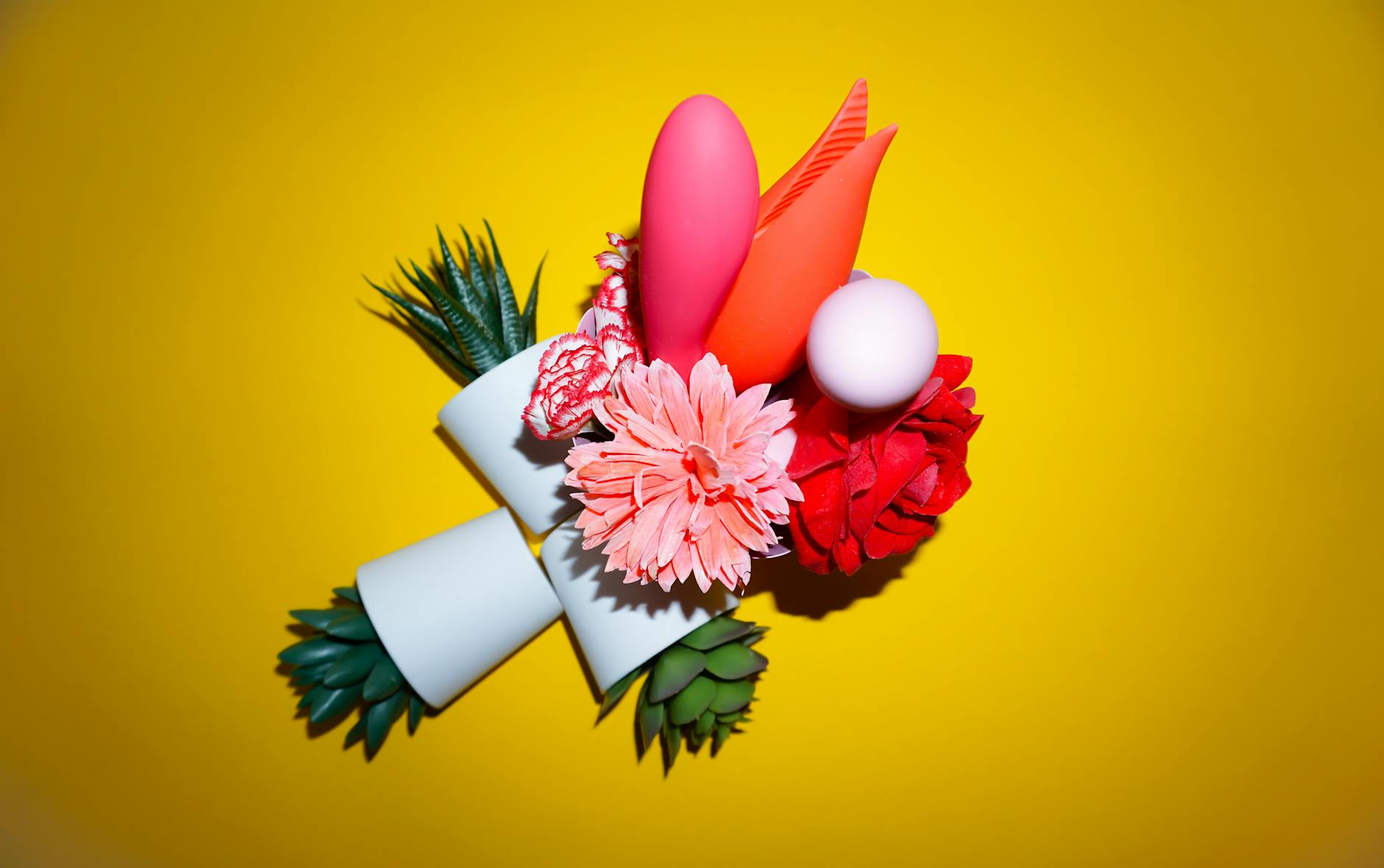
Let's talk about what nobody mentions at your six-week postpartum checkup
Your doctor clears you for sex. Your partner looks hopeful. And you're thinking, "I don't even recognize my own body." That gap between medical clearance and actual readiness is real, normal, and worth understanding before you try anything.
Postpartum pleasure recovery isn't about rushing back to what you had before. It's about meeting your body where it actually is right now. A lemon vibrator can be a genuinely useful tool for that, but only if the timing and approach are right.
The postpartum body's actual timeline
Tissue healing takes longer than six weeks, even though that's when you get the all-clear. Your pelvic floor has been stretched and strained. Your hormones (especially if you're breastfeeding) are wildly different from pre-pregnancy. Your clitoris is the same structurally, but the neural pathways and blood flow that support sensation are still recalibrating.
If you had a vaginal tear or episiotomy, those tissues need 8 to 12 weeks minimum before you're ready for anything stimulating on that area. Cesarean recovery means abdominal scar tissue is still remodeling at the three-month mark. Both matter for how your whole pelvic system functions.
The most important thing I tell clients: don't use your partner's readiness or your pre-baby intimacy as the benchmark. You're not starting where you left off. You're building something new.
Why sensation feels different (and what's normal)
Numbness or reduced sensitivity in the vulva is extremely common postpartum. The pressure from pregnancy and birth can temporarily affect nerve signaling. Hormonal shifts, especially with breastfeeding, reduce natural lubrication and can make tissue feel less responsive. And honestly, sleep deprivation and the sensory overload of new parenthood mean your nervous system is running on empty.
That doesn't mean sensation won't return. It will. But pretending it's already back when it isn't is a sure path to frustration.
Here's what helps: low-pressure, pleasure-focused exploration without performance expectations. A lemon vibrator's suction-based design is gentler on postpartum tissue than traditional vibration because it doesn't require the same direct friction. It's also less likely to overwhelm a nervous system that's already managing constant physical demands from caregiving.
The realistic timeline for using a lemon vibrator postpartum
If you had a straightforward vaginal delivery with no tearing: 10 to 12 weeks before exploring clitoral stimulation with a lemon vibrator. Not six weeks. Not eight. Double-check with your healthcare provider, but that's the clinical reality.
If you had a tear, episiotomy, or cesarean: start with external exploration (no penetration, no direct tissue contact) at three months. Move to gentle clitoral work with a lemon vibrator at four to five months, and only if you're feeling ready.
Start on the lowest setting. Pattern 1 or 2 on a lemon vibrator is genuinely sufficient. Your goal isn't orgasm. It's sensation mapping. What feels good? What doesn't? Where's your pelvic floor tight?
Pelvic floor tension and why it matters for pleasure
Pregnancy and birth tighten the pelvic floor. That's protective in the short term. But months later, many postpartum people are still holding that tension without realizing it. A tight pelvic floor makes pleasure harder to access because it's literally restricting blood flow and nerve sensation.
Before you reach for any vibrator, spend two to three weeks doing pelvic floor releases. Breathing exercises where you actively relax (not clench) your pelvic floor. Child's pose. Gentle hip opening. Then, when you do use a lemon vibrator, you'll actually be able to feel it.
If you're holding your breath or tensing your legs during stimulation, you're not ready yet. That's not judgment. That's feedback from your nervous system.
Lubrication: non-negotiable for postpartum tissue
Postpartum dryness is real, especially if you're breastfeeding. Natural lubrication returns, but it's not always reliable in those first months. Using water-based lube with a lemon vibrator isn't optional. It's basic tissue care.
Apply it generously. Your postpartum vulva isn't dry because you're broken. It's dry because your hormones have shifted and your nervous system is in survival mode. Lube handles that without making you feel inadequate.
Silicone-based lubes feel richer, but they can damage silicone toys. Stick with water-based. Reapply as needed. Sessions that feel rushed because you're worried about dryness aren't sessions where you'll reconnect with pleasure.
The mental piece (which might matter more than the physical one)
Postpartum is a grief sandwich. You're supposed to be glowing while also grieving your pre-baby body, your pre-baby sexuality, your pre-baby identity. You love your baby. You might also be furious that your body changed. Both are true.
If you're exploring pleasure again and you're feeling resentment, shame, or disconnection, a lemon vibrator isn't going to fix that. Those feelings need to be named first. Maybe with a partner conversation. Maybe with a therapist.
I've worked with plenty of couples where one partner wanted to jump back into sexual intimacy and the other needed space. The couples that reconnected well were the ones who said that out loud instead of pretending everything was fine.
How to actually start exploring again
First session: solo exploration with a lemon vibrator. No partner. No performance pressure. You're checking in with your body, not trying to achieve anything. Spend 15 to 20 minutes. Low setting. Lots of lube.
Notice what feels good. Notice what doesn't. Notice where you're holding tension. You don't need to have an orgasm. Honestly, if you do, that's a bonus. The win is reconnecting with sensation.
Second session and beyond: if it felt good, do it again. If it felt weird, wait a few days and try again. Your nervous system is learning that pleasure is safe in your new reality.
With a partner: communicate about timing and expectations before you start. "I'm exploring something, and I might need to stop. That doesn't mean I'm rejecting you." Most couples find that this honesty creates more intimacy than pretending everything is normal when it isn't.
When to talk to your doctor
If you're experiencing pain with any kind of stimulation, especially sharp pain around scar tissue, contact your healthcare provider. That's not a barrier to future pleasure. It's information that tissue might still be healing.
If you're past six months postpartum and sensation still feels completely absent, that's worth discussing too. It's usually temporary, but sometimes pelvic floor physical therapy or other support speeds things up.
Postpartum pleasure recovery is a process, not a destination. You're not trying to get back to who you were before birth. You're figuring out who you are now, in this changed body, with new priorities and demands on your time and energy. That person deserves pleasure. It just might look different, and it might take longer to rebuild. A lemon vibrator can help with that rebuilding, but only with patience and realistic timing.
People also ask
How long after giving birth can I use a lemon vibrator?
Wait at least 10 to 12 weeks after a straightforward vaginal delivery before using a lemon vibrator on your clitoris. After a tear, episiotomy, or cesarean, aim for four to five months. Always get clearance from your healthcare provider. Postpartum tissue is still healing even after six-week clearance for penetration.
Can I use a lemon vibrator while breastfeeding?
Yes, but keep in mind that breastfeeding hormones reduce natural lubrication. You'll need more water-based lube than you might expect. Also, your body might be touched out from constant infant contact, which can make stimulation feel overwhelming rather than pleasurable. That's normal and doesn't mean something's wrong with you.
Will a lemon vibrator help with postpartum numbness?
Sensation mapping with a lemon vibrator on low settings can help your nervous system relearn pleasure patterns. Start solo so there's zero pressure to respond in a particular way. Over several weeks, most people find that gentle, consistent exploration helps rebuild sensitivity. If numbness persists beyond six months, talk to your doctor.
Is it normal to feel nothing during postpartum stimulation?
Yes, completely normal. Postpartum hormones, exhaustion, and the mental load of new parenthood all suppress sensation. You might also be holding pelvic floor tension without realizing it, which blocks feeling. Gentle pelvic floor release work before using a lemon vibrator often helps. Be patient. Sensation returns.
Can my partner and I use a lemon vibrator together during postpartum recovery?
Absolutely, but set expectations first. You might need to stop suddenly because you're touched out or tired. Your partner needs to know that's not rejection. Start with you in control of the vibrator, using it on low settings, with lots of lube. This keeps you safe while rebuilding comfort with shared pleasure.
What if postpartum pleasure recovery feels impossible?
That's worth exploring with both a healthcare provider and a therapist. Postpartum anxiety and depression can suppress sexual desire and sensation. So can unresolved resentment or relationship strain. A lemon vibrator is a tool for physical pleasure recovery, but it can't address trauma, hormonal imbalance, or emotional disconnection. Get support for those separately.